For plant teams, ASME is more than a technical abbreviation. It is a structured safety language for pressure vessels, helping buyers, designers, fabricators, inspectors, and operators align on material, welding, testing, and documentation expectations.
What ASME means for pressure vessels
ASME refers to the American Society of Mechanical Engineers. In pressure equipment, buyers often discuss ASME Boiler and Pressure Vessel Code references, especially when the vessel must safely hold pressure under defined temperature, fluid, and operating conditions.
Why it matters for safety
A pressure vessel stores energy. If the shell, heads, nozzles, welds, supports, or material selection are wrong, the risk can affect people, production, and the plant environment. ASME alignment helps reduce that risk by defining how pressure boundary decisions should be controlled.
Material and thickness control
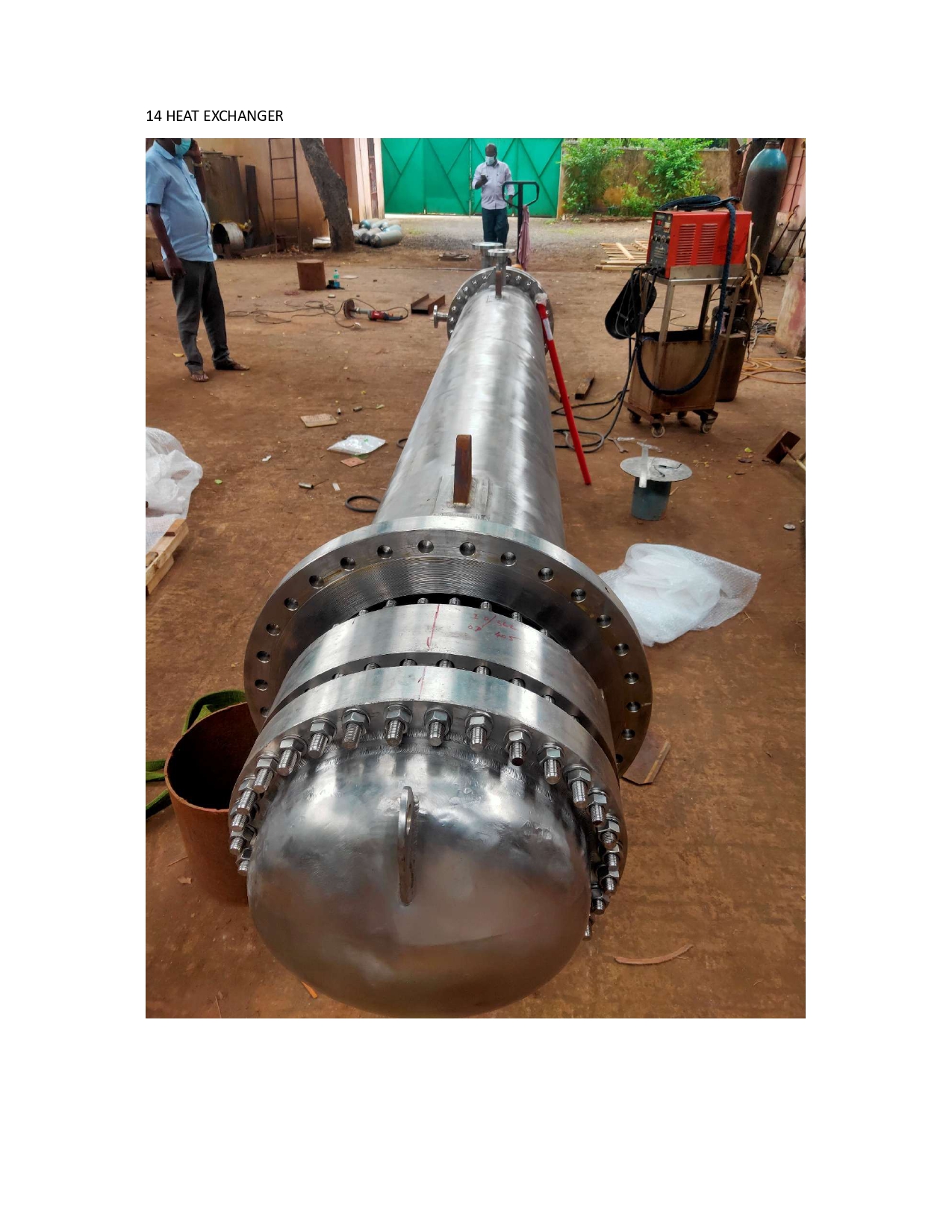
ASME-oriented work starts with design conditions and material selection. The vessel material, thickness, corrosion allowance, and pressure boundary details should match the duty rather than being guessed from a similar old vessel.
Welding qualification
Weld quality is central to pressure vessel safety. Buyers should ask about WPS, PQR, welder qualification, joint preparation, consumables, fit-up, and inspection. These controls help ensure the welds are suitable for the pressure service.
Inspection and testing
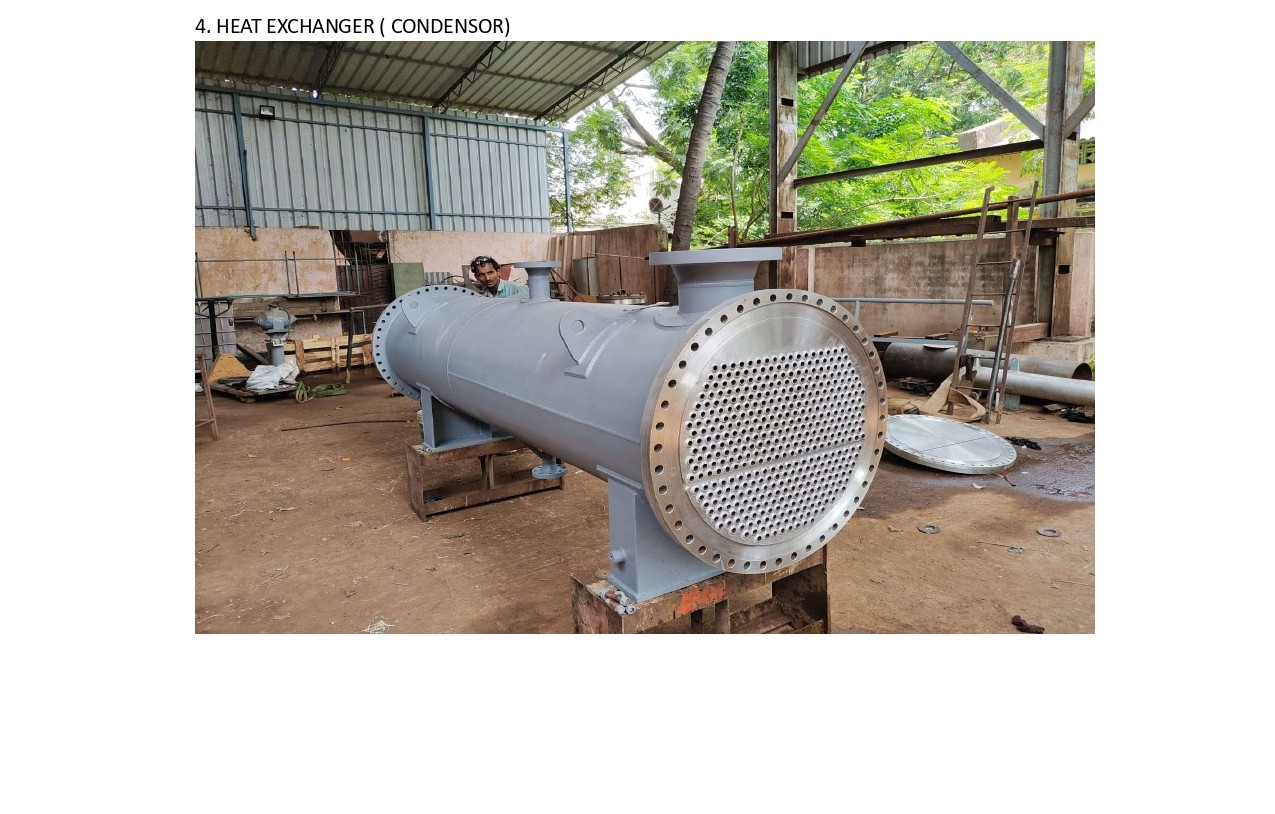
Inspection planning should be visible before fabrication begins. Depending on the project, this may include dimensional inspection, visual inspection, liquid penetrant testing, radiography or other NDT, hydro testing, pneumatic testing, and third-party inspection hold points.
Documentation matters
ASME-related expectations are not only about making the vessel. Drawings, material certificates, welding records, inspection reports, test certificates, and final release documents help prove that the equipment was manufactured as agreed.
What buyers should ask
- Which code or project standard is being followed?
- What design pressure and temperature are used?
- Which material and corrosion allowance are selected?
- What welding and inspection documents will be supplied?
- What testing is included before dispatch?
Final thought
ASME pressure vessel meaning is practical: it helps plants buy pressure equipment with stronger safety discipline, better inspection clarity, and reliable documentation. When the standard is understood early, the project becomes easier to engineer, inspect, and operate.
Need ASME-aware fabrication support?
GI Equipments can review your pressure vessel duty, material, inspection, and documentation requirement. Start an enquiry.