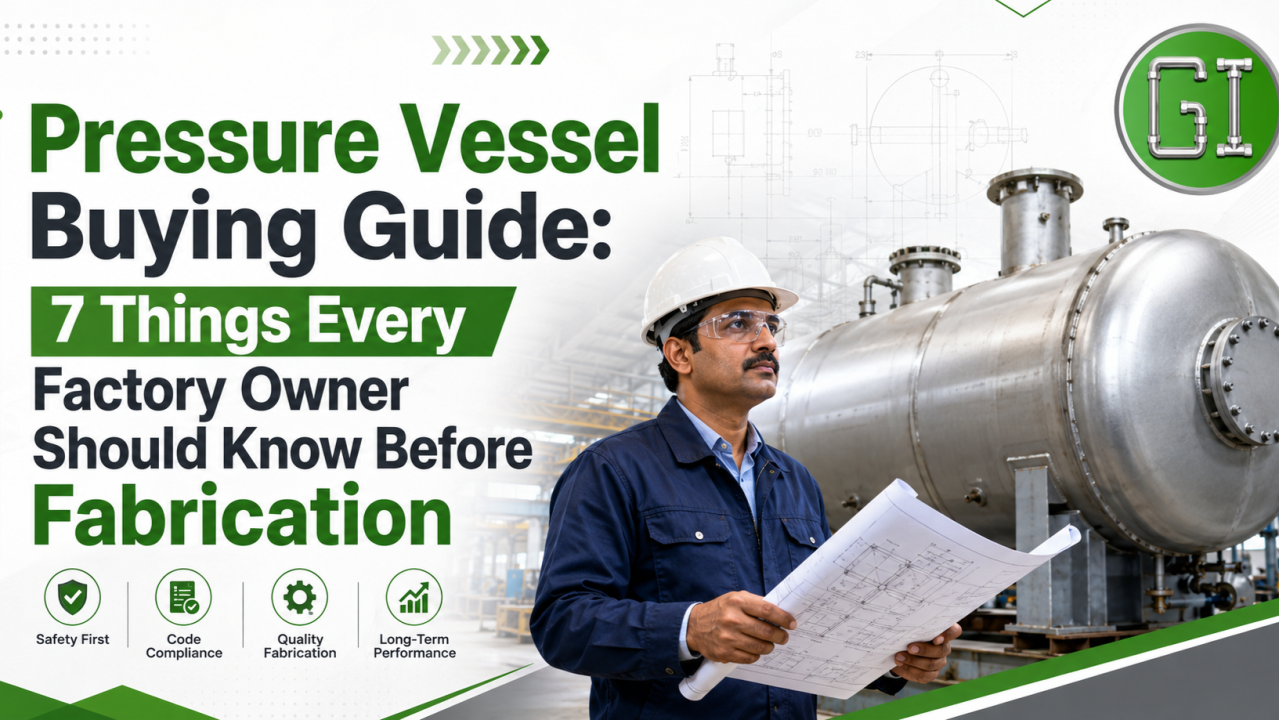
Buying a pressure vessel is not just a procurement activity. It is a plant safety, production reliability, and compliance decision. Before a factory places an order, the technical and quality requirements must be clear enough for the manufacturer to quote, fabricate, inspect, and document the equipment properly.
1. Confirm the operating duty
Start with the process requirement: design pressure, operating pressure, design temperature, operating temperature, fluid, volume, corrosion risk, and batch or continuous use. These inputs decide material, thickness, nozzle sizing, inspection, and testing expectations.
2. Choose the right material of construction
SS304L, SS316L, carbon steel, duplex, nickel alloys, and lined vessels all serve different duties. A factory should never choose material based only on habit. Process chemistry, cleaning method, temperature, and corrosion allowance should drive the decision.
3. Review code and inspection needs
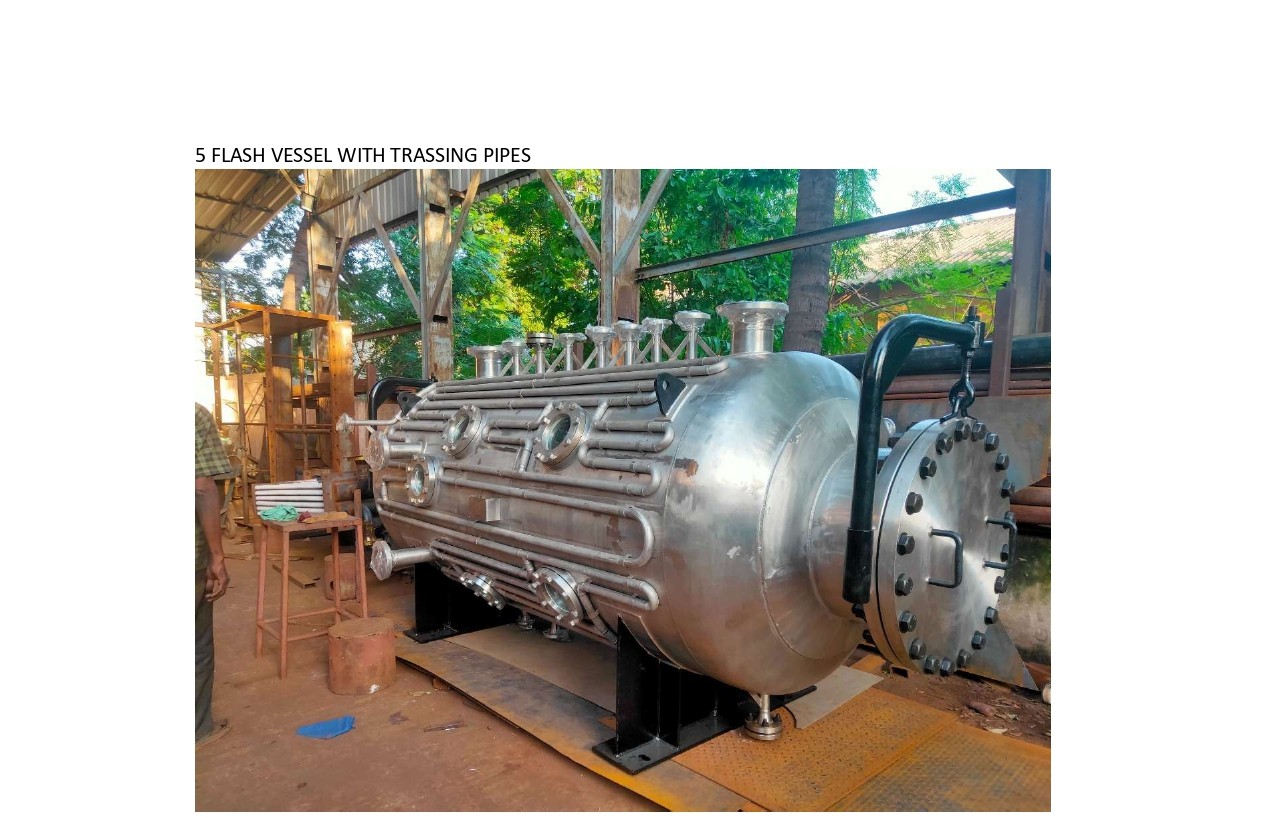
Clarify whether the vessel is to be designed and fabricated with ASME Sec VIII reference or another project specification. The inspection plan should include QAP stages, dimensional checks, visual inspection, NDT if required, hydro test or pneumatic test, and final documentation.
4. Check manufacturer capability
The manufacturer should understand drawings, welding procedure qualification, material traceability, pressure boundary fabrication, testing, and dispatch requirements. A good supplier asks technical questions before quoting.
5. Define nozzles, supports, and access
Factories should check nozzle schedule, manholes, flange rating, drains, vents, lifting lugs, saddles, legs, platforms, insulation clips, and maintenance access. Many delays happen because these details are treated as small items and discovered late.
6. Ask for documentation upfront
Documentation should not be requested after dispatch. Ask for drawings, material test certificates, welding records, inspection reports, test certificates, and dispatch documents before placing the order.
7. Compare value, not only price
The lowest price can become expensive if the vessel needs rework, fails inspection, misses the schedule, or lacks documents. Compare supplier response, quality planning, fabrication experience, inspection readiness, and after-dispatch support.
Final thought
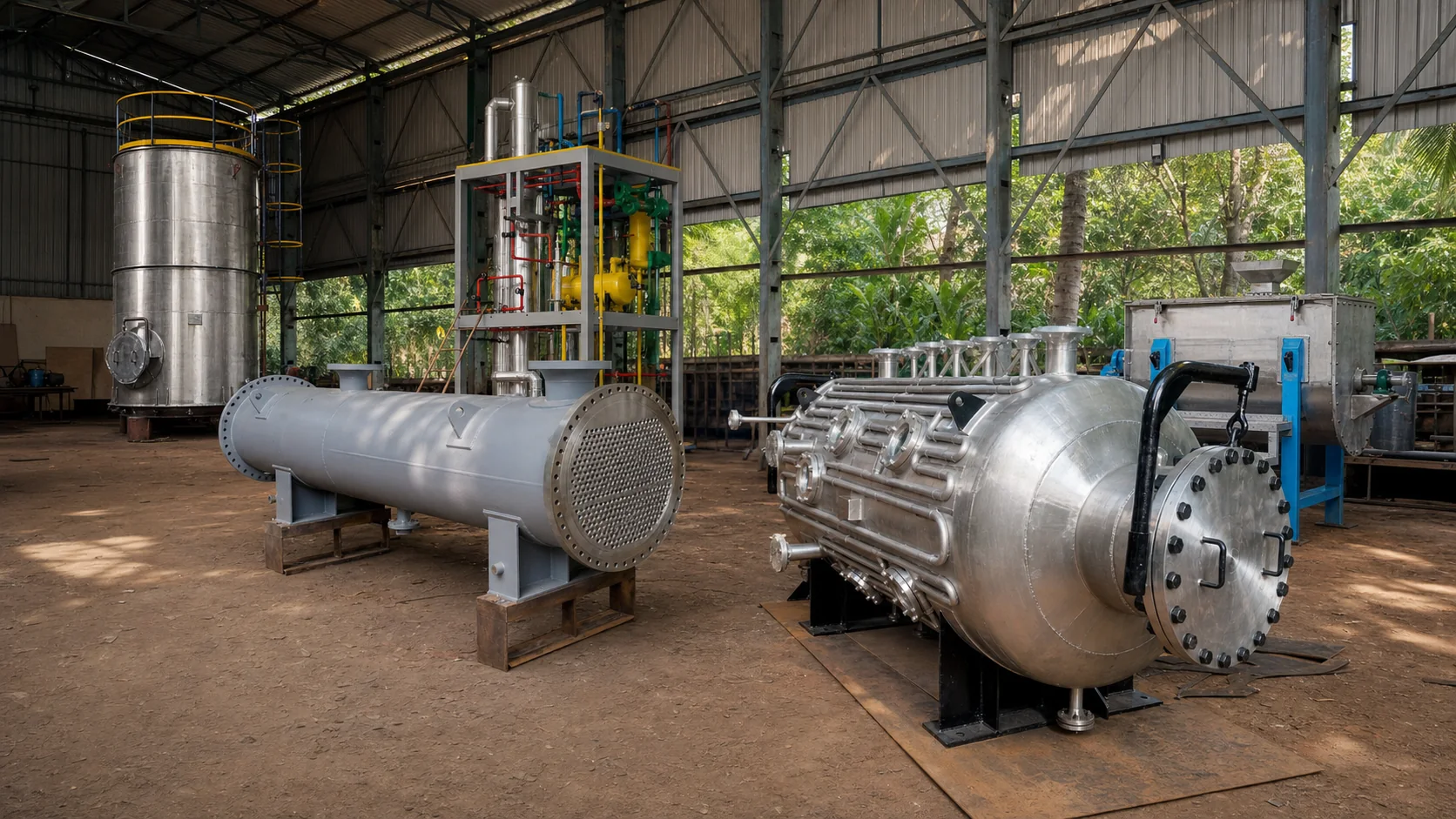
A pressure vessel order should move from duty clarity to material selection, code alignment, fabrication planning, inspection, testing, documentation, and dispatch. When these seven checks are handled early, the factory gets a safer and more predictable equipment delivery.
Planning a vessel purchase?
Send your pressure, temperature, fluid, MOC, and inspection details to GI Equipments. Start an enquiry.