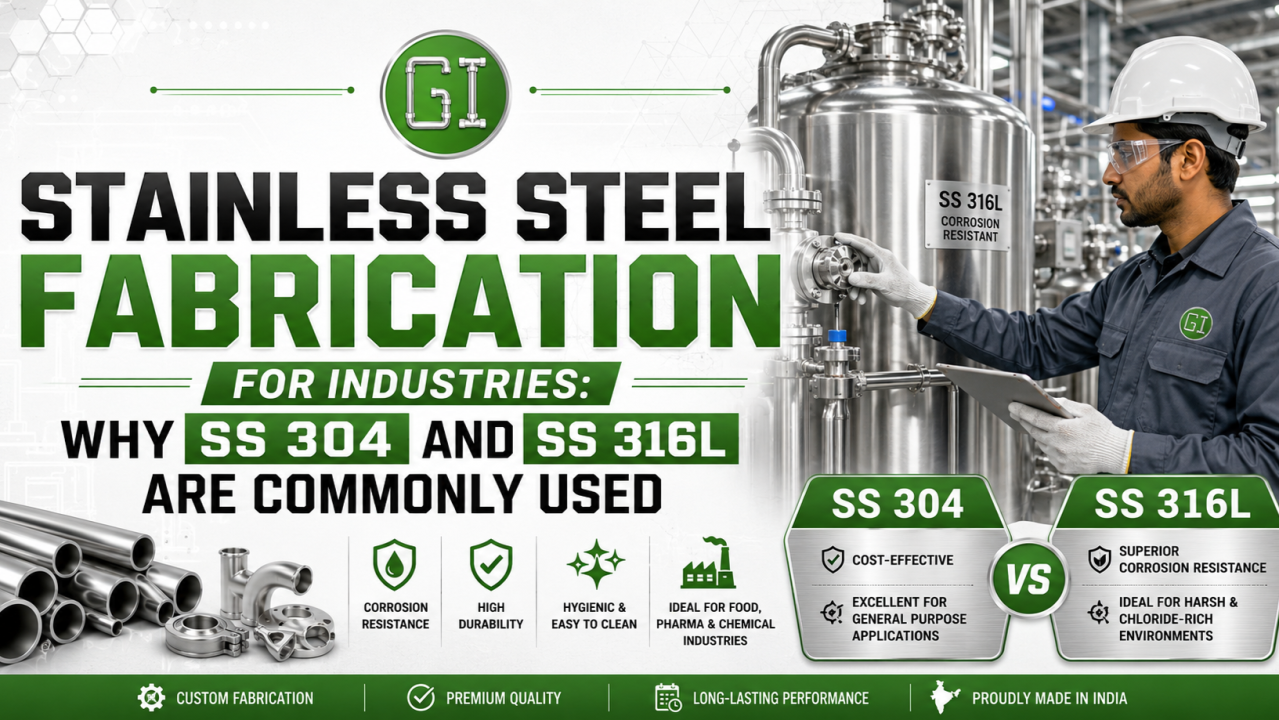
Stainless steel is common in process industries because it balances corrosion resistance, strength, hygiene, cleanability, and long service life. In fabrication, SS 304 and SS 316L are two of the most frequently discussed grades, but they should be selected based on process duty.
Why SS 304 is common
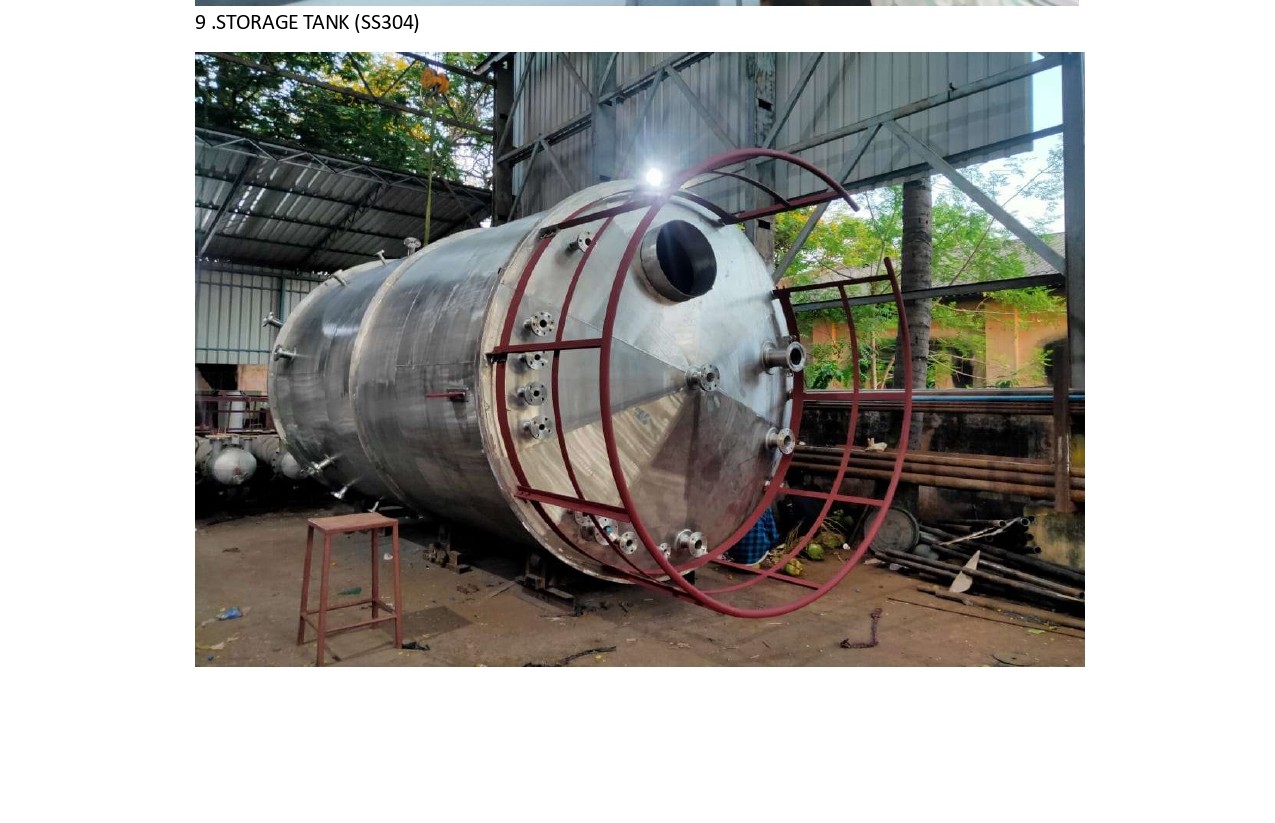
SS 304 is widely used for general industrial fabrication where corrosion conditions are moderate. It offers good formability, weldability, and clean appearance, making it suitable for many tanks, frames, housings, and non-aggressive process duties.
Why SS 316L is selected
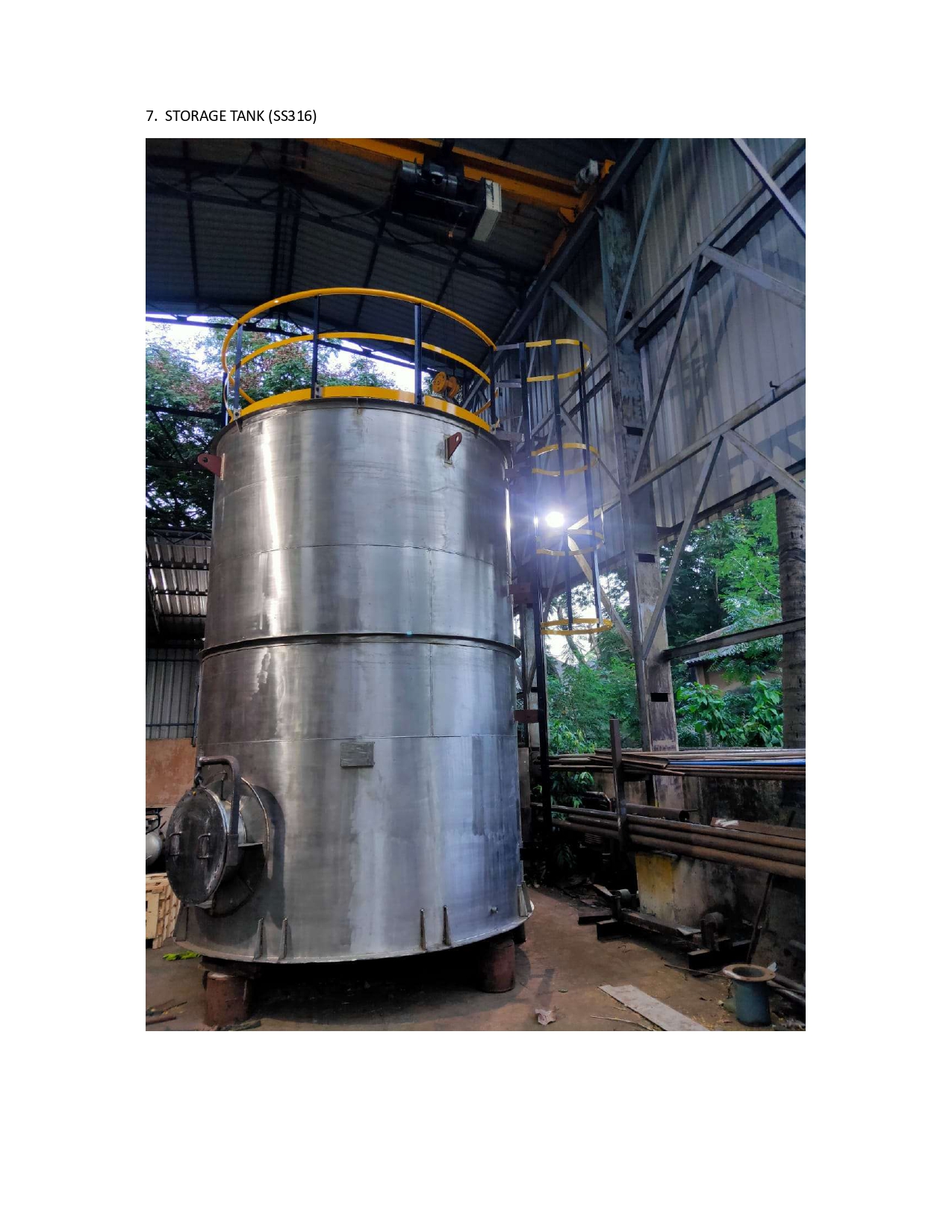
SS 316L offers improved resistance in many chemical and chloride-exposed environments. The low-carbon version also supports better weld-zone corrosion resistance for fabricated equipment. It is often preferred for chemical, pharmaceutical, and sensitive process applications.
Fabrication quality still matters
The right grade alone is not enough. Cutting, rolling, welding, grinding, polishing, passivation, and inspection must be controlled so the final equipment performs as expected.
Ask the right questions
- What fluid or chemical will contact the surface?
- What operating and cleaning temperatures are expected?
- Is chloride exposure or corrosion risk present?
- What surface finish and documentation are required?
- Will the equipment need pressure testing or third-party inspection?
Final thought
SS 304 and SS 316L are popular because they work well across many industrial applications, but the best choice depends on process chemistry, temperature, fabrication method, finish, inspection, and life-cycle expectation.

Need stainless steel fabrication?
GI Equipments fabricates tanks, vessels, exchangers, skids, and custom process equipment in stainless steel and other materials. Start an enquiry.